
A FAMILY STORY
"Fremont is above all a family story".
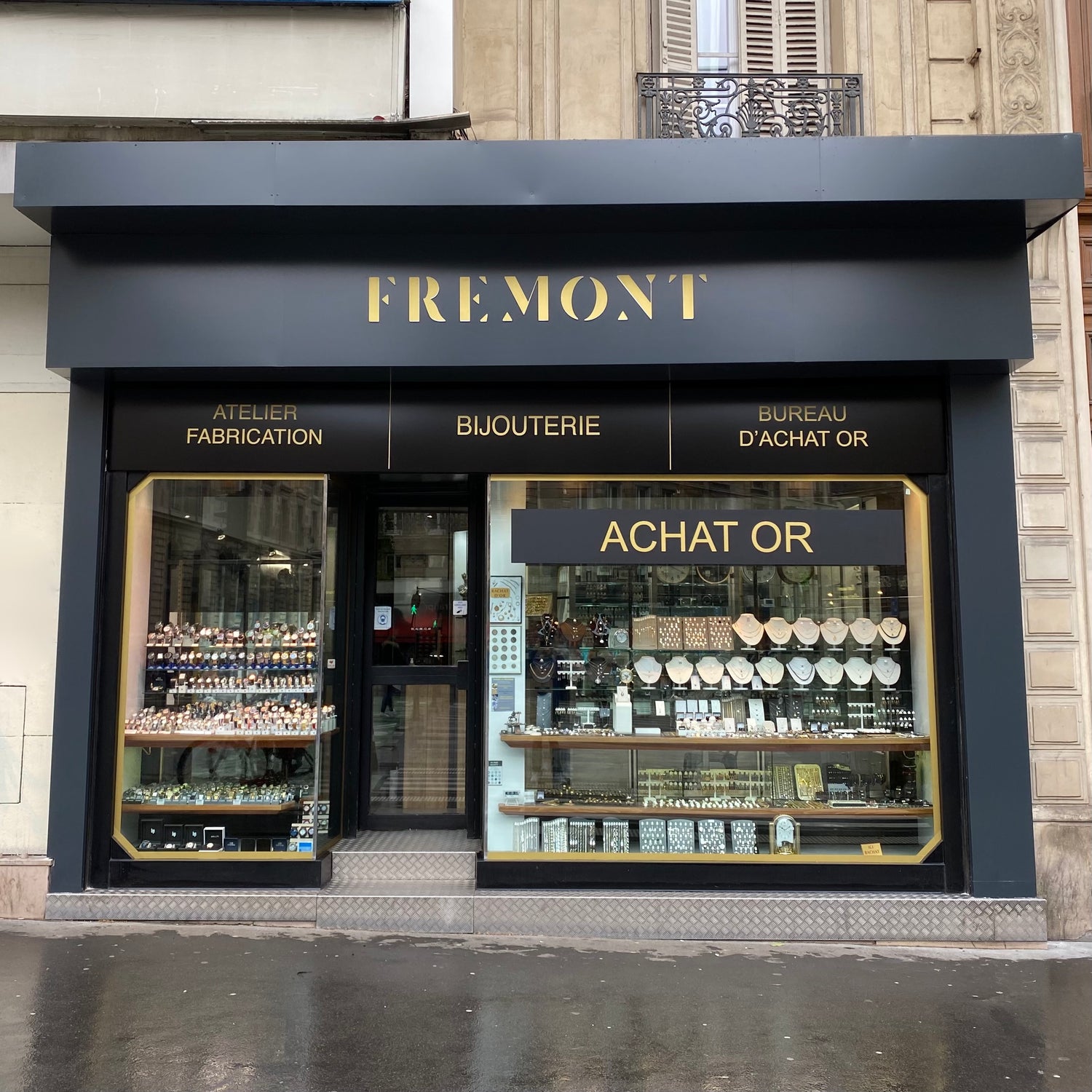
Fremont Jewelers
It all began 40 years ago when Benjamin, founder of Fremont, established a setting workshop with his father. By creating unique pieces for major jewelry houses, he developed a true passion for craftsmanship and a commitment to excellence. Even today, this same passion drives every creation and repair, all crafted with the utmost care.
In a family setting, Fremont envisions unique jewelry, designed to allow everyone to symbolize their emotions and desires through a piece of jewelry.
The boutique opened its doors in 2000, under the name Comptoir d'Or République, but the adventure had already begun long before, in the hands of Benjamin, artisan jeweler and setter.
In 2020, Lucas joined the workshop. Son and grandson of an artisan jeweler, he grew up in his grandfather's workshop, surrounded by tools and precious stones. He began his training in Paris in 2016 and quickly distinguished himself with several awards for excellence before graduating from the Haute École de Joaillerie. Through his creations, Lucas now shares his passion for jewelry with you.
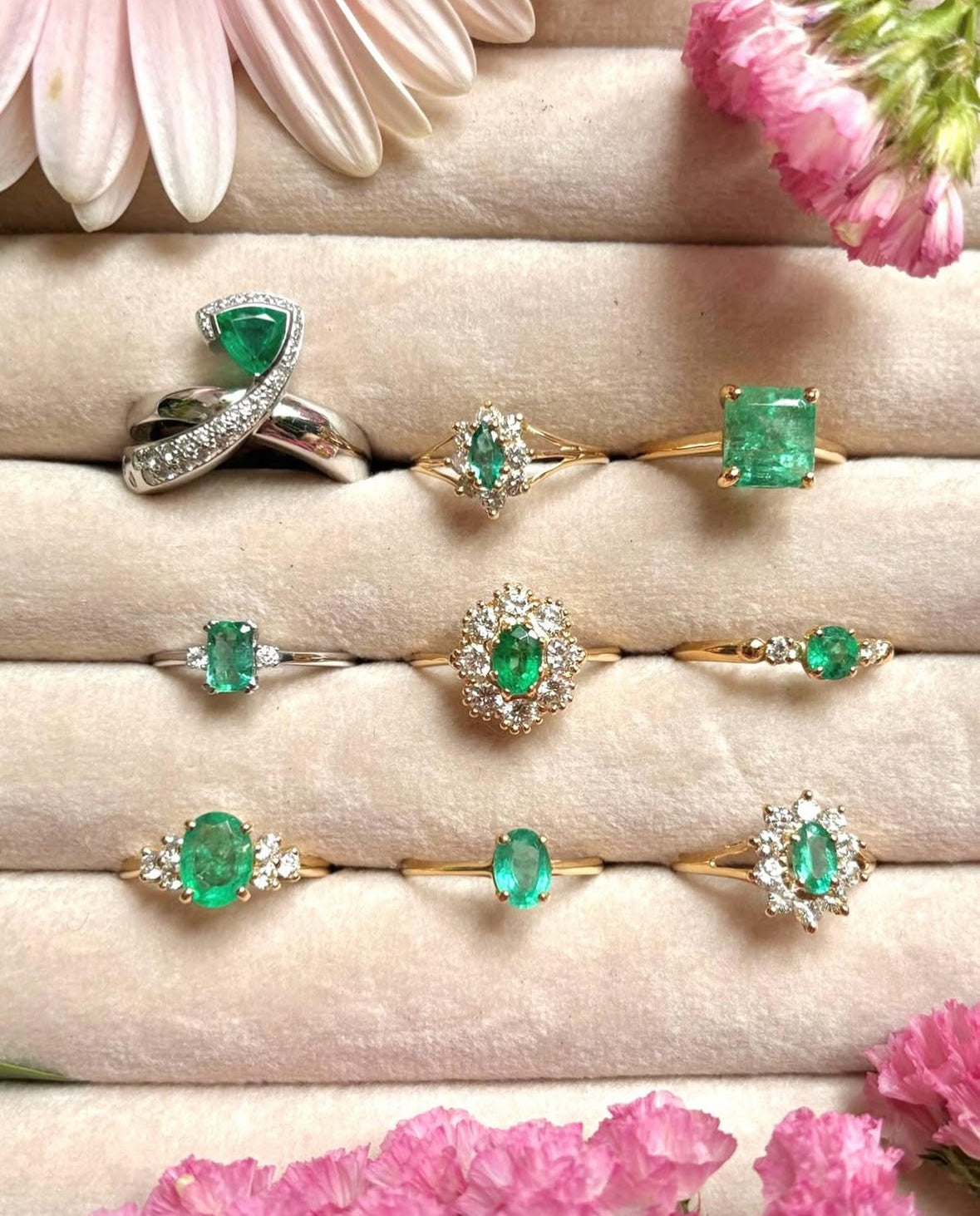
100% French expertise
We support French craftsmanship and the expertise of jewelers. France is a country rich in culture, art, and artisanal know-how, and also where luxury shines brightest. We feel fortunate to be part of this beautiful jewelry landscape. This is why our creations are made in our Parisian workshops. You will also have the opportunity to see the jewelers at work in our jewelry store in the 10th arrondissement of Paris. Our ambition is to promote the work of our artisan jewelers, respecting traditional craftsmanship: handmade.
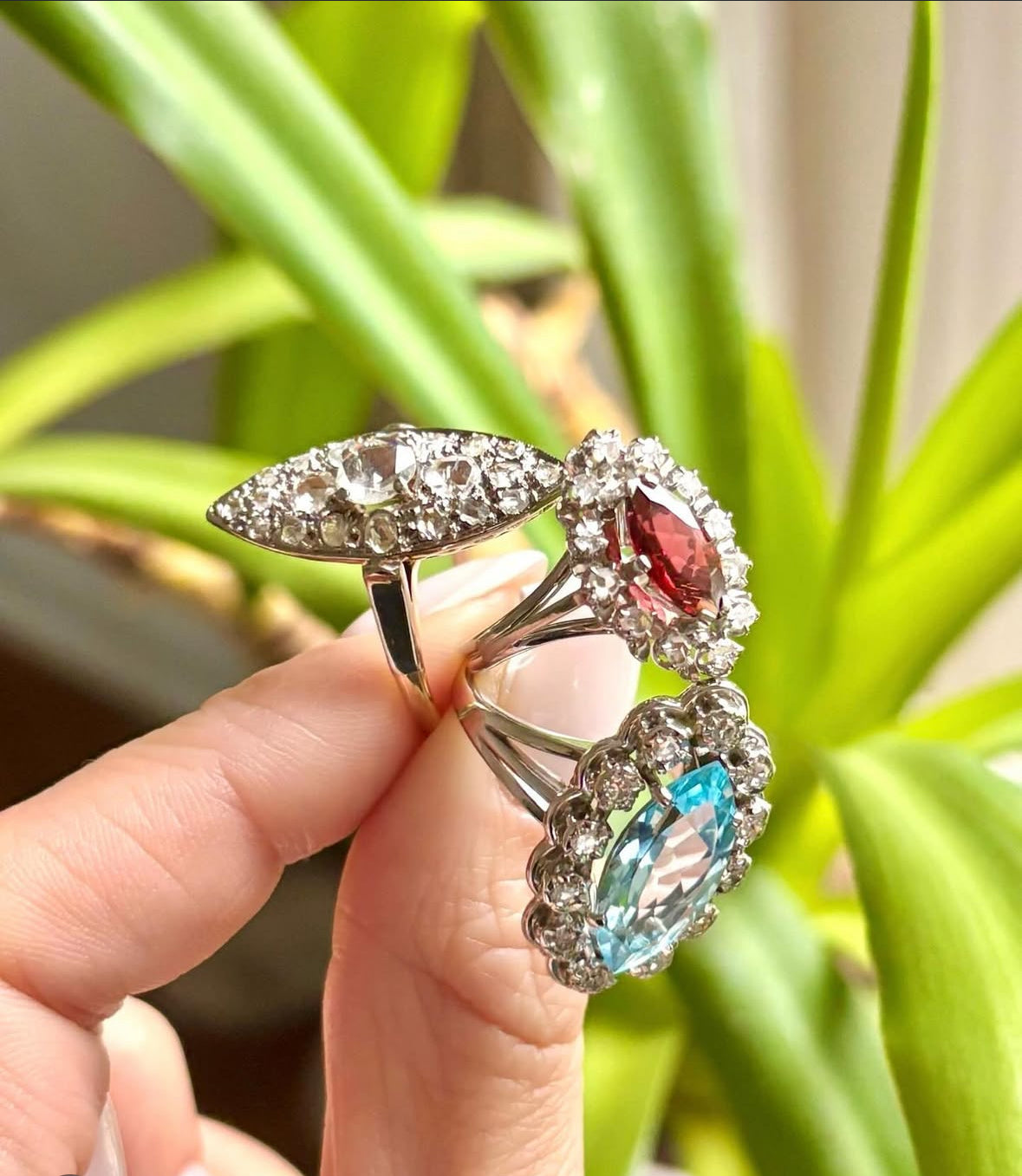
Environment
We are very careful about the materials we use, and we want to be as transparent as possible about how our workshop operates and how our jewelry is made. The most ecological solution is always preferred because, for us, that is also the role of a master jeweler.
For the creation of our jewelry, we only use 750 recycled gold produced using eco-friendly processes, as this represents the most sustainable solution for the environment. It's not always the easiest path, often a little more expensive, but given the urgency we face, turning a blind eye to our creation processes is not an option.